Single Port Robotic Surgery
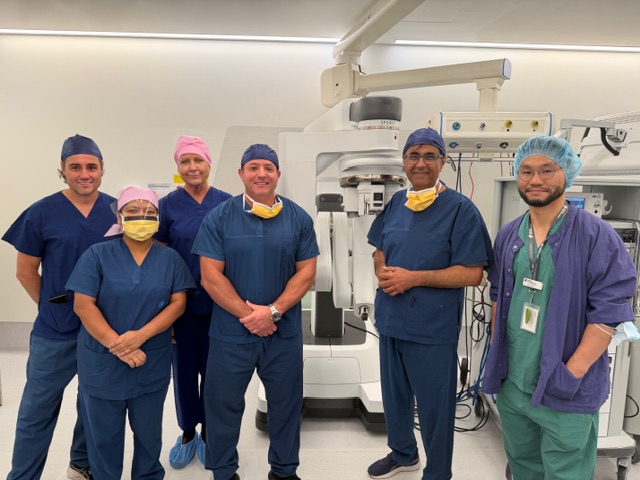
Hi, I'm Dr. Raji Kooner. For over 25 years, I have been providing specialist urology and robotic surgery services in Sydney, including at St Vincent’s Private Hospital, Mater Hospital, and East Sydney Private Hospital.
Today I would like to introduce one of the most significant advances in minimally invasive urological surgery — the Single Port (SP) robotic surgical system.
Traditional robotic prostate surgery is performed using 5–6 small incisions. Single Port robotic surgery allows the entire operation to be performed through one small incision, using a single multi-channel robotic access port.
This platform enables precise, nerve-sparing surgery with reduced trauma to surrounding tissue, offering patients faster recovery, less pain, and improved cosmetic outcomes.
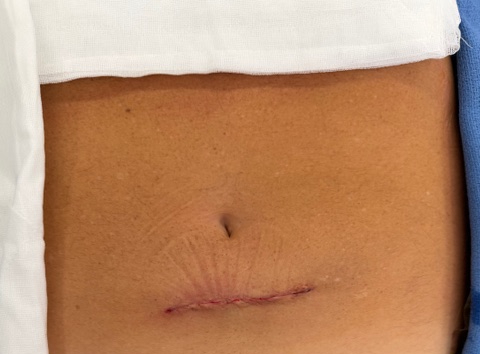 Final result of the Single Port procedure (single incision).
On Thursday, the 15th of January 2026, Dr Kooner successfully completed NSW's first pure Single Port robotic prostate procedure, using a true single-incision technique without additional assisting ports. The patient made an excellent post-operative recovery with minimal pain and excellent early results. The pathology confirmed complete removal of the tumour.

This milestone was achieved with advanced training and mentorship from Dr Ryan Nelson (USA), an internationally recognised leader in Single Port robotic surgery.
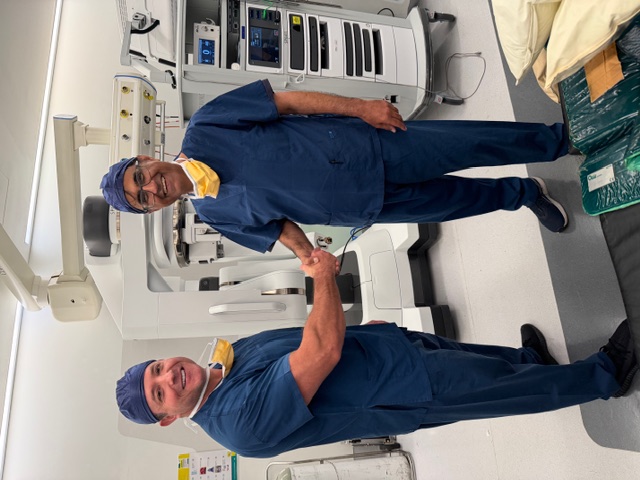 Dr Raji Kooner with Dr Ryan Nelson on completion of surgery
While some centres describe their technique as “single port,” many still use additional access ports. This procedure represents a true pure Single Port approach.

Further information:
What is Single Port Robotic Surgery?
Single Port robotic surgery is a minimally invasive technique that allows complex operations to be performed through a single small incision. A flexible robotic camera and multiple articulated instruments are inserted through one port, providing exceptional visualisation and precision, allowing precise nerve-sparing surgery.
Benefits of Single Port Surgery
• One small incision instead of 4–5
• Reduced post-operative pain
• Faster recovery and earlier return to activity
• Lower risk of wound complications
• Improved cosmetic outcome
Which procedures can be performed?
Single Port robotic surgery may be used for:
• Radical prostatectomy (prostate cancer surgery)
• Kidney cancer surgery (nephrectomy - removal of whole kidney / partial nephrectomy - precise removal of the kidney tumor preserving the remaining kidney)
• Pyeloplasty (kidney reconstruction)
• Adrenalectomy surgery (removal of adrenal tumors) • Selected bladder procedures
Who is suitable?
Although single port surgery is suitable for most the majority of patients, variables that need to be taken into consideration includes prostate size, prior surgery, anatomy, cancer stage, and overall health. A consultation and imaging review is required.
Single Port vs Traditional Robotic Surgery
Traditional robotic surgery uses 5-6 incisions usually through the peritoneal (abdominal cavity). The Single Port system allows us to regionalise surgery, allowing a more direct approach to the operating area. This is a pre-peritoneal approach for prostate cancers and a retro-peritoneal approach for the kidney.
In other words: traditional robotic surgery usually involves 5–6 small cuts through the abdominal cavity - meaning the instruments go through the belly to reach the prostate or kidney. With the Single Port system, we work around or in front of the abdominal cavity, so we can get to the prostate or kidney more directly. This can mean less irritation of the belly, potentially less pain, and a quicker recovery for many patients.
Single Port surgery achieves the same precision through a single access point, reducing tissue trauma while allowing excellent cancer control and functional outcomes.
References
- Bosco C, et al. Perioperative outcomes of single-port versus multi-port robot-assisted radical prostatectomy: An updated meta-analysis. J Urol. 2025; significant reductions in blood loss, shorter hospital stays, lower pain scores, and reduced opioid use were seen in single-port cases compared to multi-port. PubMed PMID: 40824469.
- Systematic Review of Single-Port Robot-Assisted Radical Prostatectomy (SP-RARP): Pooled analysis demonstrating safety and feasibility of SP-RARP with similar peri-operative outcomes to multi-port techniques and preservation of body image/cosmesis. BJU Int. 2020. PubMed PMID: 32248613.
- Prospective phase 1 clinical study on robot-assisted single-port radical prostatectomy showing technical feasibility and no intraoperative complications. Int J Urol. 2019. PubMed PMID: 31257704.
- Comparative study of SP versus MP robot-assisted radical prostatectomy showing similar operative and peri-operative outcomes between approaches, indicating feasibility of SP technique. J Urol. 2020; PubMed PMID: 32091305.
- Applied Ergonomics study (Norasi H, et al.) describing patient benefits with single-port radical prostatectomy including fewer incisions, less pain, and potential for shorter hospitalisation. Applied Ergonomics. 2022;104:103826.
- Single-Port Robot-Assisted Radical Prostatectomy overview — highlights reduced postoperative pain, less scarring, and quicker recovery compared with multi-port or open approaches (Yale Medicine patient fact sheet).